
Have you ever wondered how the timeless beauty of Arabic calligraphy can transform your home? This art form, rich with history and meaning, is no longer confined to ancient manuscripts or traditional settings.
Today, Arabic calligraphy is making its way into contemporary Australian homes, blending classic elegance with modern style. If you’re looking to add a unique touch to your living space, understanding this evolution can inspire you to create a stunning atmosphere that speaks to both heritage and innovation.
Keep reading to discover how Arabic calligraphy has evolved and how it can elevate your home décor in ways you never imagined.
Origins Of Arabic Calligraphy
Arabic calligraphy began as a way to write the Arabic language clearly and beautifully. It grew from early writing needs into an art form. This art reflects history and culture through elegant shapes and lines. The origins show a journey of skill and creativity.
Understanding these roots helps us see how Arabic calligraphy fits in homes today. Classic designs inspire modern styles. The story starts with early scripts and the deep cultural meaning behind them.
Early Scripts And Styles
Arabic calligraphy started with simple scripts. The first style was called Kufic. It used straight lines and sharp angles. Kufic appeared on coins and buildings. It was easy to read from a distance.
Later, more rounded scripts developed. Scripts like Naskh and Thuluth became popular. They allowed faster writing and more decoration. These styles helped spread Arabic writing across regions.
Religious And Cultural Influence
Religion played a big role in shaping Arabic calligraphy. The Quran, the holy book of Islam, was copied with great care. Beautiful calligraphy honored the sacred text. This made calligraphy a respected art form.
Culture also influenced the style and use of calligraphy. It appeared in architecture, textiles, and everyday objects. These designs carried messages and values. They connected people to their history and faith.
Classic Calligraphy Techniques
Arabic calligraphy is an ancient art form with deep roots. It blends beauty and language in a unique way. Classic calligraphy techniques have shaped this art for centuries. These methods focus on precision and balance. They give each letter its own character and flow.
The techniques require patience and steady hands. Artists use specific tools and materials to create each stroke. This tradition keeps the art alive and respected in many cultures. Understanding these classic methods helps us appreciate the art’s true beauty.
Tools And Materials
Calligraphers use special pens called qalam. These pens are often made from dried reed or bamboo. The tip is cut to different shapes for varied line thickness. Ink is usually black, made from soot and gum Arabic. Paper or parchment must be smooth to hold the ink well. Sometimes gold leaf is added for decoration. These tools help create sharp, clear lines with great detail.
Famous Calligraphers And Masterpieces
Many artists shaped Arabic calligraphy’s history. Ibn Muqla is one of the earliest masters. He developed rules for letter proportions and spacing. Al-Husayn Al-Baghdadi refined these rules later. His work influenced many calligraphers after him. One famous masterpiece is the Blue Qur'an from Tunisia. It shows exquisite script with rich colors. These works inspire modern artists even today.
Transition To Modern Styles
The transition to modern styles in Arabic calligraphy marks a vibrant shift from tradition to innovation. This change reflects how Arabic art adapts to contemporary tastes, especially in Australian homes. The designs blend old beauty with new ideas, making calligraphy more accessible and fresh.
Modern Arabic calligraphy goes beyond classic forms. It embraces creativity and explores new ways to express culture and identity. This shift allows artists to connect with a wider audience and fit into modern living spaces.
Incorporation Of New Aesthetics
Modern calligraphy uses bold colors and abstract shapes. These elements give the art a lively and dynamic feel. Artists mix traditional scripts with modern fonts, creating unique combinations.
Calligraphy now appears on different materials like metal, glass, and wood. This variety adds texture and depth to the artwork. It fits well with contemporary decor styles in Australian homes.
The use of minimalistic design is common. Simple lines and clean spaces highlight the beauty of Arabic letters. This approach suits modern interiors that favor uncluttered and elegant looks.
Impact Of Technology
Technology plays a key role in evolving Arabic calligraphy. Digital tools help artists experiment with forms and colors easily. This speeds up the creative process and allows more precise designs.
Graphic design software enables artists to blend calligraphy with digital art. It opens new possibilities for unique and personalized pieces. Homeowners can customize calligraphy art to match their style.
Online platforms help spread modern Arabic calligraphy worldwide. Artists reach global audiences and share their work instantly. This exposure encourages more innovation and cultural exchange.

Credit: kalimah-center.com
Arabic Calligraphy In Australian Art
Arabic calligraphy has found a unique place in Australian art. It connects the rich heritage of Arabic culture with modern Australian life. This art form is visible in galleries, street art, and even home decor. It adds beauty and meaning to Australian spaces. The blend of old and new styles shows how cultures can mix creatively.
Community And Cultural Expression
Arabic calligraphy helps communities express their identity and history. It often appears in cultural festivals and public art projects. Artists use it to share stories from their heritage. It also creates a sense of belonging among Arabic-speaking Australians. The art bridges gaps between different cultures in Australia. It invites people to appreciate the beauty of Arabic script.
Notable Australian Calligraphers
Several Australian artists have gained recognition for their Arabic calligraphy. They bring fresh ideas to this traditional art. These calligraphers work in various styles, from classic scripts to modern designs. Their work appears in exhibitions and public spaces. They inspire young artists and art lovers alike. Their art shows how Arabic calligraphy continues to evolve in Australia.
Calligraphy In Contemporary Australian Homes
Arabic calligraphy has found a special place in many Australian homes. Its graceful curves and artistic style add a unique charm. This art form blends cultural heritage with modern design. It brings warmth and identity to living spaces. Many Australians appreciate its beauty beyond language and religion.
Calligraphy offers more than decoration. It creates a connection to history and culture. In contemporary homes, it adds meaning and style. Artists and designers use calligraphy in creative ways. This helps Arabic script feel fresh and relevant today.
Decor Trends Featuring Arabic Calligraphy
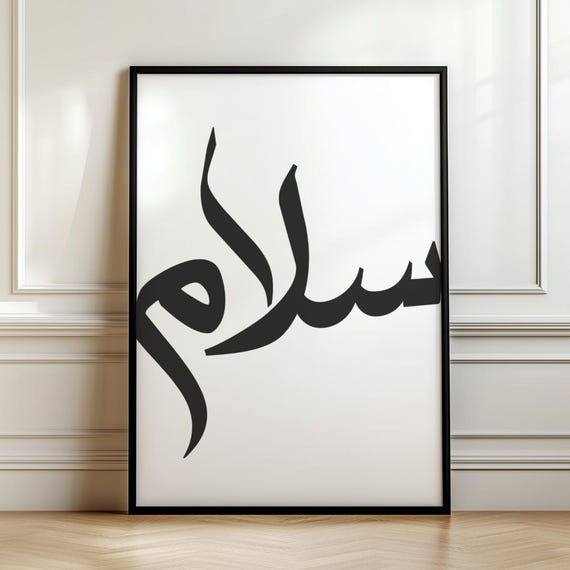
Arabic calligraphy appears in various decor items. Wall art with bold calligraphic phrases is popular. These pieces often use black ink on white backgrounds. It creates a striking contrast that suits modern homes. Cushions and rugs with calligraphy patterns add texture. Lamps and ceramics sometimes feature delicate script designs. These items bring subtle cultural touches to rooms.
Calligraphy is not limited to traditional styles. Abstract calligraphic shapes work well with minimalist decor. This trend attracts those who want art with meaning. The use of gold and metallic tones adds luxury. Combining calligraphy with geometric patterns creates visual interest. These trends make Arabic script a versatile design element.
Blending Tradition With Modern Interiors
Calligraphy fits well in different room styles. It pairs beautifully with both classic and modern furniture. For example, a sleek sofa looks great with a traditional calligraphy wall hanging. Mixing old scripts with new materials creates balance. Wooden frames, glass, and metal enhance the script's elegance. This blend respects heritage while embracing contemporary living.
Lighting plays a key role in highlighting calligraphy art. Soft spotlights or backlit panels make the script stand out. This technique adds depth and drama to any room. Calligraphy can also inspire color schemes. Earth tones and rich blues echo traditional ink colors. These choices create harmony between art and space.
Many Australians personalize calligraphy art with meaningful words. Names, quotes, or blessings bring a personal touch. This practice adds emotional value to home decor. It helps families celebrate their roots and stories through art.

Future Trends And Innovations
Arabic calligraphy continues to grow beyond its traditional roots. New trends and innovations shape how this art form appears in Australian homes. Artists blend old styles with modern techniques. This mix creates fresh and exciting designs.
Digital Art And Calligraphy
Technology expands the reach of Arabic calligraphy. Digital tools allow artists to create precise and detailed work. Calligraphy apps help beginners learn and practice easily. Digital art makes it simple to share designs online. Australians use digital calligraphy for home decor and gifts. This trend makes calligraphy more accessible to everyone.
Cross-cultural Collaborations
Artists from different backgrounds combine styles and ideas. This fusion creates unique pieces that reflect diverse cultures. Collaborations bring fresh perspectives to Arabic calligraphy. Australian artists work with Middle Eastern calligraphers to blend traditions. These projects highlight harmony and creativity in art. Cross-cultural works add vibrant energy to homes and galleries.
Frequently Asked Questions
What Is The History Of Arabic Calligraphy?
Arabic calligraphy began over a thousand years ago as a form of artistic writing. It evolved from early Islamic scripts and became a decorative and spiritual art.
How Has Arabic Calligraphy Influenced Australian Homes?
Arabic calligraphy adds cultural depth and elegance to Australian homes. It blends traditional art with modern decor, creating unique, meaningful spaces.
What Styles Of Arabic Calligraphy Are Popular Today?
Classic styles like Kufic and Naskh remain popular. Contemporary adaptations mix traditional scripts with modern design trends, especially in interior decor.
Why Is Arabic Calligraphy Important In Contemporary Art?
It preserves cultural heritage while allowing artistic innovation. Arabic calligraphy bridges history and modern creativity, making it relevant globally.
Conclusion
Arabic calligraphy brings rich culture into modern Australian homes. Its journey from classic styles to new forms shows art’s timeless charm. People blend tradition with today’s tastes in creative ways. This art adds beauty and meaning to any space. It connects past and present through elegant design.
Embracing Arabic calligraphy invites warmth and history indoors. A simple script can tell a powerful story. This evolving art form continues to inspire and delight.


