

Have you ever wondered why Islamic art looks so different from other art forms around the world? What is the one thing you’ll almost never see in it?
If you’re curious about what Islamic art avoids and why, this article will explain it simply and clearly. By understanding this key aspect, you’ll gain a deeper appreciation of the beauty and meaning behind Islamic art. Keep reading to discover the surprising reason behind this unique artistic tradition—and how it shapes the stunning designs you admire.
Idolatry And Islamic Art
Islamic art avoids idolatry to keep worship pure and focused. Idolatry means worshiping images or objects instead of God. Islamic teachings warn against this practice strongly.
Art plays an important role in Islamic culture. But it must follow clear rules to respect religious beliefs. One key rule is avoiding images that may lead to idolatry.
Prohibition Of Living Beings
Islamic art generally avoids showing humans and animals. This rule helps prevent people from worshiping images. It reflects the belief that only God creates life.
Many Islamic artists use geometric patterns and calligraphy instead. These designs express beauty without depicting living forms.
Images Of God And Prophet Muhammad
Depicting God is forbidden in Islam. God is beyond human form or image. Any attempt to show God is seen as disrespectful.
Images of Prophet Muhammad are also avoided. This prevents people from worshiping his image instead of his message. Respect for the Prophet is shown through words, not pictures.
Religious Context Restrictions
Images of living beings are not allowed in religious settings like mosques. This keeps places of worship free from distractions. The focus remains on prayer and God.
These restrictions come from the Quran and Hadith, the sayings of the Prophet Muhammad. They guide Muslims to avoid anything that may lead to idolatry.
Origins Of The Prohibition
The roots of the Islamic art prohibition trace back to early Islamic teachings. These teachings aim to protect the purity of faith. The main concern is avoiding idolatry, which means worshiping anything other than God. This idea shaped the rules about what art is allowed. Islamic art focuses on patterns, calligraphy, and abstract designs instead of living creatures.
This approach helps keep worship focused on God alone. The prohibition is not random. It comes from important Islamic sources that guide Muslim life and beliefs. These include the Quran, the Hadith, and the Sunnah.
Quranic Guidance
The Quran does not directly ban all images. It warns strongly against idolatry. The Quran says people must worship only God. Creating images that might lead to worship of those images is discouraged. This is because God is the only creator and worthy of worship. The Quran encourages believers to avoid anything that could distract from this truth.
Hadith Influence
The Hadith are sayings and actions of the Prophet Muhammad. They provide clear instructions on art and images. Some Hadith forbid making pictures of living beings. This rule aims to stop people from creating idols. The Prophet warned against trying to imitate God's creation. The Hadith stress respect for God's unique role as the creator of life.
The Role Of Sunnah
The Sunnah includes traditions from the Prophet’s life. It guides Muslims on daily behavior, including art. It supports the teachings found in the Quran and Hadith. The Sunnah shows how early Muslims avoided images of living beings. This tradition continues to influence Islamic art today. It encourages art that honors God without risking idolatry.
Common Forbidden Practices
Islamic art follows clear rules about what is allowed and what is not. These rules help keep the art pure and respectful. Certain practices are commonly avoided because they may lead to misunderstanding or disrespect of faith. This section explains some common forbidden practices in Islamic art.
These practices focus on preventing idolatry and respecting the unique role of God as the creator. Artists avoid creating images that may confuse worship or challenge religious beliefs. Understanding these forbidden practices helps appreciate the beauty and meaning of Islamic art.
Figurative Art In Mosques
Mosques rarely show pictures of people or animals. This avoids any form of idolatry. The focus in mosque art is on geometric patterns and calligraphy. These designs inspire reflection without distracting worshippers. Figurative images in religious spaces could lead to confusion about worship.
Copying God's Creation
Islam teaches that only God can create life. Making art that copies living beings is seen as challenging this truth. Some Islamic scholars forbid drawing or sculpting humans and animals. This rule helps keep the focus on God's power and creativity. Art that tries to imitate life may cross this line.
Use Of Tattoos
Tattoos are often discouraged in Islamic teachings. Some scholars say tattoos change the body, which is not allowed. Others worry tattoos may represent forbidden images or symbols. The view on tattoos varies between different Muslim communities. Many avoid tattoos to respect the body's natural form.
Allowed Artistic Expressions
Islamic art respects clear boundaries about what is allowed. It avoids images of living beings in religious settings. This helps prevent idolatry and keeps the focus on God.
Artists use other creative ways to express beauty and spirituality. These allowed artistic expressions follow Islamic teachings. They include unique styles that highlight skill and devotion without depicting humans or animals.
Geometric Patterns
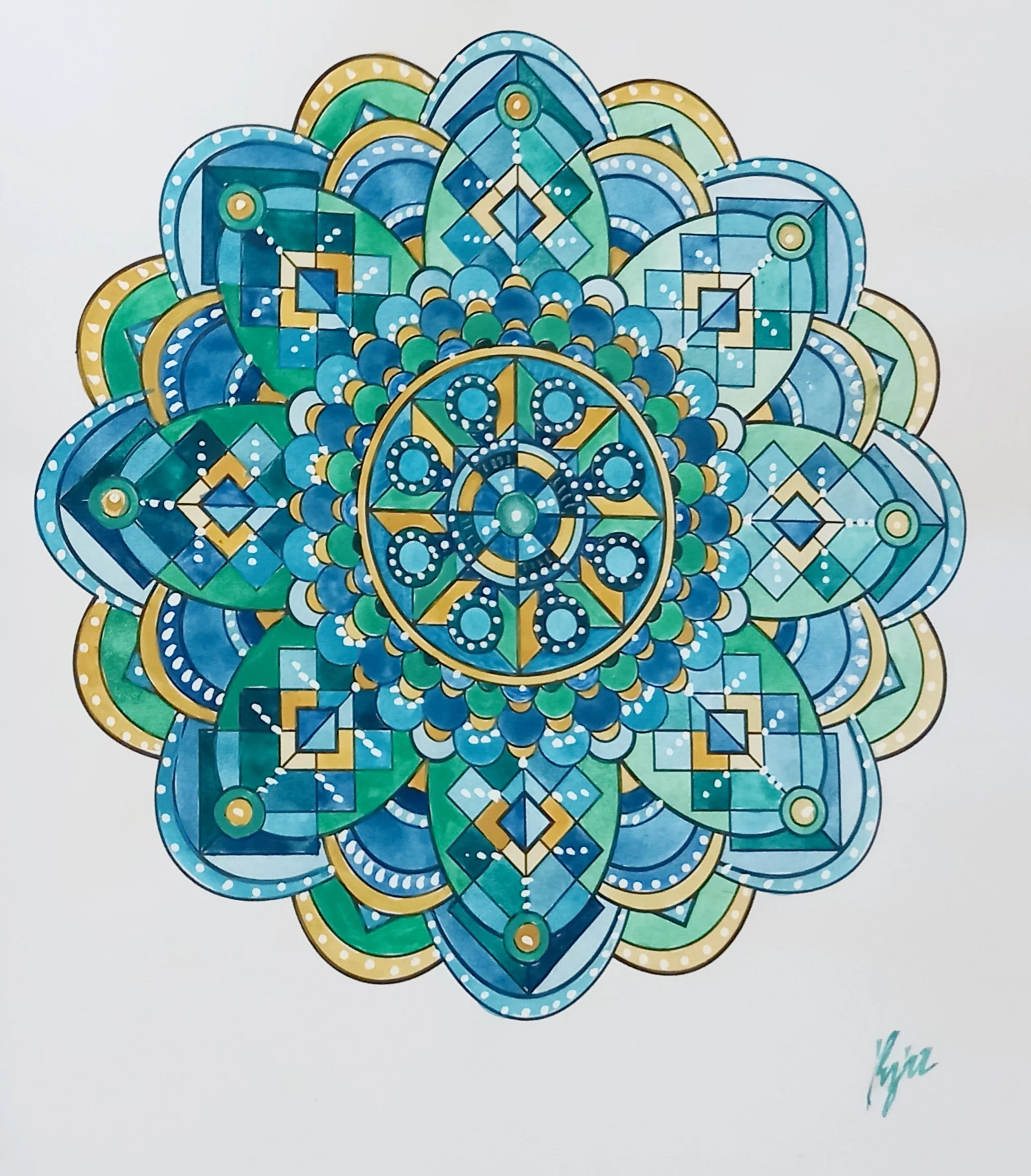
Geometric patterns are a key part of Islamic art. They use shapes like stars, squares, and circles. These patterns repeat in complex ways. This shows order and harmony in the universe. Each design is carefully planned to create endless, beautiful forms. Geometric art inspires calm and reflection.
Arabic Calligraphy
Arabic calligraphy is a highly respected art form. It turns words from the Quran into beautiful designs. Artists write verses in flowing, elegant scripts. Calligraphy decorates mosques, books, and objects. It connects faith with art by honoring the sacred text. This form expresses spirituality through language and style.
Abstract Designs
Abstract designs add creativity without showing living things. These include floral motifs and intricate patterns. They symbolize nature and life without direct images. Abstract art invites viewers to imagine and feel. It offers freedom within Islamic rules. Artists use it to decorate walls, fabrics, and ceramics beautifully.
Impact On Islamic Art Styles
Islamic art styles show a unique impact from the one thing they avoid: depicting living beings. This avoidance shapes the entire look and feel of the art. It influences how artists create depth, detail, and cultural expression. The result is a rich tradition full of patterns and symbols rather than images of people or animals.
This section explains three key ways Islamic art styles differ due to this rule.
Absence Of Linear Perspective
Islamic art does not use linear perspective to show depth. This technique, common in Western art, creates a realistic three-dimensional effect. Instead, Islamic artists focus on flat, two-dimensional designs. This keeps the artwork more abstract and symbolic. The lack of perspective helps avoid realistic human or animal forms.
Focus On Ornamentation
Ornamentation plays a major role in Islamic art. Artists use complex geometric patterns, arabesques, and calligraphy. These decorations fill spaces and create beauty without showing living beings. The detailed patterns often have spiritual or cultural meanings. This focus on ornamentation reflects the importance of unity and infinity in Islamic art.
Cultural Variations
Islamic art varies across regions, reflecting local traditions. Middle Eastern, North African, and South Asian styles show different uses of patterns and colors. Each culture adapts the art form while respecting the avoidance of living images. These variations make Islamic art diverse and rich in cultural history.
Credit: www.borcianiebonazzi.com
Contemporary Views And Debates
Contemporary views on Islamic art show a mix of respect and debate. Islamic art's rule against depicting living beings sparks many opinions today. Artists and scholars discuss how to honor tradition while embracing creativity. This section explores key aspects of these discussions.
Different Sect Interpretations
Islamic sects vary in their art interpretations. Some forbid all images of humans and animals strictly. Others allow non-religious or symbolic depictions. These differences come from how each sect reads religious texts. The debate continues on what art is acceptable in each community.
Modern Artistic Innovations
Modern artists find new ways to express faith without breaking rules. Calligraphy and geometric patterns grow in popularity. Digital art and installations explore Islamic themes creatively. These innovations respect tradition and attract younger generations.
Global Influence
Islamic art influences cultures worldwide. Artists from different countries adopt its styles and ideas. This global reach spreads awareness of Islamic values and aesthetics. It fosters cultural exchange and deeper understanding across borders.
Frequently Asked Questions
What Does Islam Not Allow In Art?
Islam forbids depicting God, the Prophet Muhammad, and living beings in religious art to prevent idolatry. Creating images for worship or as idols is prohibited. Islamic art avoids human and animal figures in sacred contexts, emphasizing patterns and calligraphy instead.
Why Does Islamic Art Avoid Linear Perspective?
Islamic art avoids linear perspective to prevent mimicking God's creation and to respect religious rules against realistic imagery. It emphasizes patterns and abstract designs instead.
What Is Not Present In Islamic Art?
Islamic art avoids depicting living beings, especially humans and animals, to prevent idolatry. Images of God and Prophet Muhammad are also forbidden. Religious contexts exclude figurative art, focusing instead on geometric patterns and calligraphy. This respects the belief that only God creates life.
Why Does Islamic Art Avoid Using Figurative Images?
Islamic art avoids figurative images to prevent idolatry and respect God's unique role as creator. Depicting living beings, especially in religious contexts, is forbidden. This practice honors Islamic teachings that discourage images which might lead to worship of anything besides God.
Conclusion
Islamic art carefully avoids depicting living beings in religious settings. This rule helps prevent idolatry and respects God's unique role as creator. Instead, artists use patterns, calligraphy, and geometric designs to express beauty and spirituality. These styles keep the focus on faith, not images.
Understanding this key aspect reveals the deep meaning behind Islamic art. It shows respect for tradition while inspiring creativity without crossing religious boundaries. This approach makes Islamic art both unique and meaningful worldwide.


